

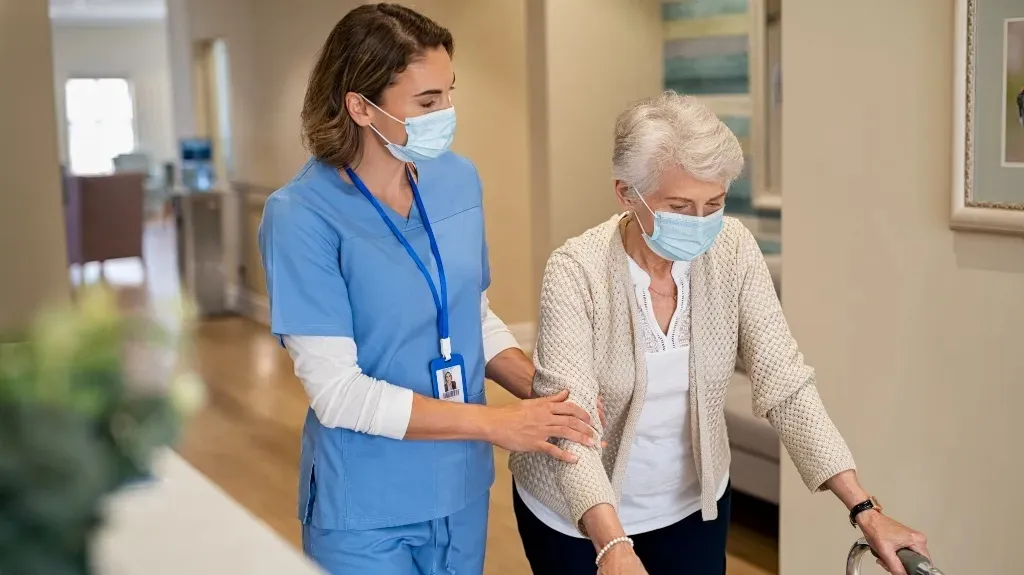
Families trust nursing homes to provide safe, attentive care for their loved ones. Unfortunately, abuse and neglect can occur when residents are mistreated, inadequately supervised, or denied necessary assistance.
For Florida families, recognizing the warning signs and understanding the available legal protections can make a significant difference.
Florida law gives nursing home residents specific rights and provides legal remedies when violations cause harm.
What Counts as Nursing Home Abuse or Neglect?
Nursing home abuse can involve intentional mistreatment, while neglect generally involves a failure to provide necessary care or protection.
Common warning signs include:
- Unexplained bruises, fractures, or repeated falls
- Bedsores or untreated wounds
- Dehydration, malnutrition, or poor hygiene
- Sudden behavioral changes or fear around particular caregivers
- Medication errors or unexplained changes in health
- Missing money or suspicious financial transactions
Not every injury proves abuse or neglect. However, unexplained changes or recurring problems may justify further investigation.
What Rights Do Florida Nursing Home Residents Have?
Florida Statutes § 400.022 establishes important rights for nursing home residents.
These include rights involving dignity, privacy, appropriate care, participation in care decisions, and freedom from abuse and neglect.
Residents also have rights regarding communication, grievances, and access to certain information about their care.
Facilities cannot simply disregard these protections because a resident is elderly, disabled, or unable to advocate independently.
When a facility violates a protected right and causes injury, the resident may have grounds for a civil claim.
Who Can Be Held Responsible?
Liability depends on the circumstances and the legal duties involved.
A nursing home may face responsibility for negligent care, inadequate supervision, unsafe practices, or other conduct that causes harm.
Individual caregivers and other entities may also be involved, depending on their actions and legal relationships.
For example, a resident who develops severe pressure injuries may have a claim if the evidence shows that staff failed to provide reasonably necessary repositioning, skin assessments, or treatment.
However, proving liability generally requires more than showing that an injury occurred. The evidence must connect wrongful conduct to the resulting harm.
Can Families Sue a Nursing Home in Florida?
Florida Statutes § 400.023 provides a civil remedy for certain violations of nursing home residents’ rights.
Depending on the claim, recoverable damages may include medical expenses, pain and suffering, and other legally recognized losses.
Claims involving a resident’s death may also raise wrongful death issues.
Florida nursing home litigation has specific procedural requirements, including pre-suit investigation and notice provisions under Chapter 400.
These requirements can affect how and when a lawsuit proceeds.
How Long Do You Have to File a Claim?
Deadlines are especially important in nursing home abuse cases.
Under Florida Statutes § 400.0236, an action for damages under the nursing home residents’ rights provisions generally must be brought within two years from the time the incident is discovered or should have been discovered through reasonable diligence.
The statute also contains an outside time limit and certain exceptions, including provisions addressing concealment or intentional misrepresentation.
Other legal claims may be subject to different deadlines.
Because pre-suit procedures and statutory exceptions can complicate the timeline, families should seek legal advice promptly rather than assuming they have ample time.
How Do You Report Suspected Nursing Home Abuse?
If a resident is in immediate danger, call 911.
Families can report suspected abuse, neglect, or exploitation to the Florida Abuse Hotline through the Department of Children and Families.
Concerns about nursing home care may also be reported to the Florida Agency for Health Care Administration, which oversees facility regulation and complaints.
Reporting suspected mistreatment can help trigger an investigation and protect the resident.
However, filing a regulatory complaint is not the same as filing a civil lawsuit, and it generally should not be assumed to stop the legal filing deadline.

Seeking Legal Guidance
Belleh & Okolo can help families evaluate suspected nursing home mistreatment, understand potential legal claims, and determine what evidence may be needed to pursue accountability.