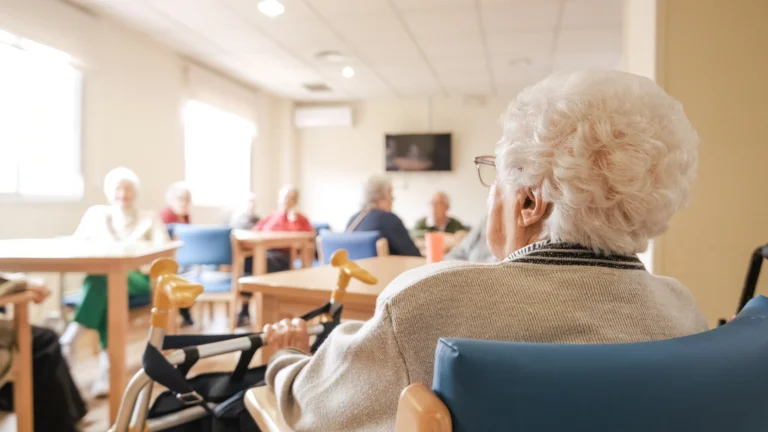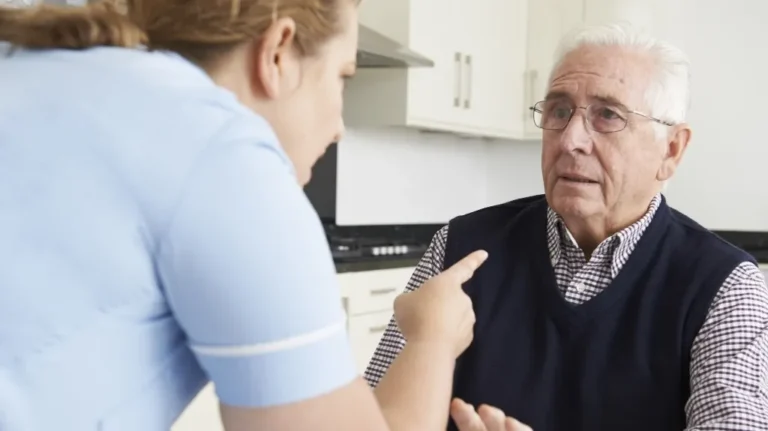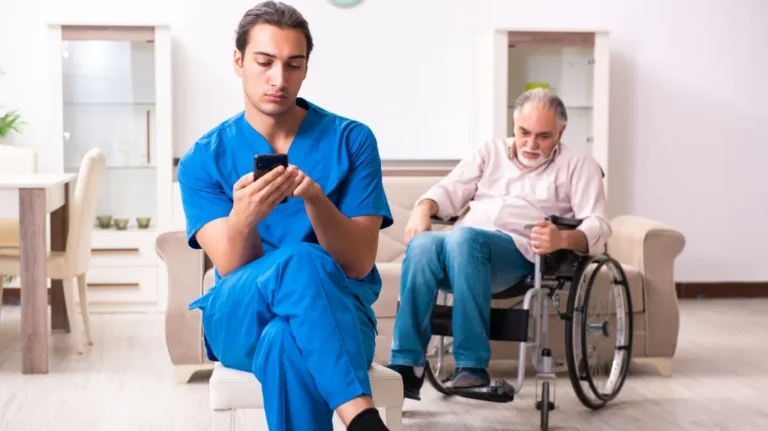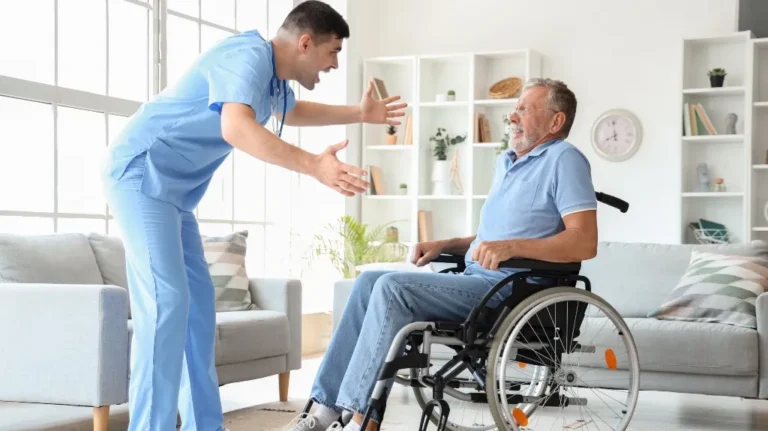


Families place loved ones in nursing homes because they need care and supervision that may no longer be possible at home.
When a resident develops a severe bed sore, suffers repeated falls, or wanders away from the facility, families understandably want to know whether the nursing home failed to provide appropriate care.
Not every injury means a nursing home was negligent. The important question is whether the facility recognized the resident’s risks and took reasonable, appropriate measures to address them.
What Standard Must a Nebraska Home Meet?
Nebraska nursing facilities are subject to state licensing and care requirements. Facilities participating in Medicare or Medicaid are also subject to extensive federal nursing-home regulations.
Federal regulations require nursing homes to provide the care and services necessary for residents to attain or maintain their highest practicable physical, mental, and psychosocial well-being consistent with their assessments and plans of care.
Facilities must also keep the resident environment as free from accident hazards as reasonably possible and provide adequate supervision and assistance devices to prevent accidents.
Nebraska separately regulates nursing facilities and skilled nursing facilities and requires state standards designed to protect residents’ health, safety, and welfare.
The practical result is that care should be individualized. What is appropriate for an independent resident may be inadequate for someone with dementia, limited mobility, or a history of falls.
Bed Sores: Prevention Matters
Pressure sores, also called pressure ulcers or bed sores, can develop when prolonged pressure damages skin and underlying tissue. Residents who cannot reposition themselves independently can be especially vulnerable.
Nebraska nursing-home regulations specifically require facilities to implement appropriate care to maintain or improve skin integrity. A resident who enters without a pressure sore should generally be prevented from developing one unless the resident’s clinical condition demonstrates that it was unavoidable.
If a resident already has a pressure sore, the facility must provide appropriate care designed to promote healing, prevent infection, and prevent additional sores.
That may involve repositioning, skin assessments, nutrition and hydration measures, pressure-relieving equipment, wound care, and physician involvement depending on the resident’s condition.
The development of a pressure sore doesn’t automatically establish negligence. But a serious or worsening wound may warrant investigation into whether risks were recognized, and the care plan was actually followed.
Falls: Nursing Homes Must Address Foreseeable Risks
Older adults may face fall risks because of weakness, medications, poor balance, vision problems, cognitive impairment, or previous falls.
A nursing home cannot guarantee that a resident will never fall. Instead, the facility should assess foreseeable risks and implement appropriate interventions.
Depending on the resident, that could involve assistance with transfers, mobility devices, toileting schedules, closer supervision, environmental changes, or other fall-prevention measures.
A single unavoidable fall may occur despite reasonable care. Repeated falls, however, can raise questions about whether assessments and care plans were updated after earlier incidents.
If the same resident keeps falling in similar circumstances and nothing meaningful changes, the facility’s response deserves closer examination.
Wandering and Elopement Can Be Especially Dangerous
Residents with Alzheimer’s disease, dementia, or other cognitive conditions may wander within a facility or attempt to leave without understanding the danger.
When a resident leaves a safe area without appropriate supervision, the incident is often described as elopement.
For a resident known to wander, the consequences can be severe. The person may encounter traffic, extreme temperatures, stairs, unfamiliar terrain, or other hazards.
Facilities caring for at-risk residents should assess wandering behavior and develop appropriate safeguards. Depending on the circumstances, measures could include increased supervision, secure areas, alarms, monitoring systems, staff communication, and individualized interventions.
Again, the relevant question is often foreseeability. If a facility knew that a resident repeatedly attempted to leave, that history can be important when evaluating a later elopement.

Seeking Legal Guidance
Belleh & Okolo can help Nebraska families obtain nursing-home records, investigate suspected neglect, and determine whether an injury may support a legal claim.
Make sure you reach out for your consultation today.