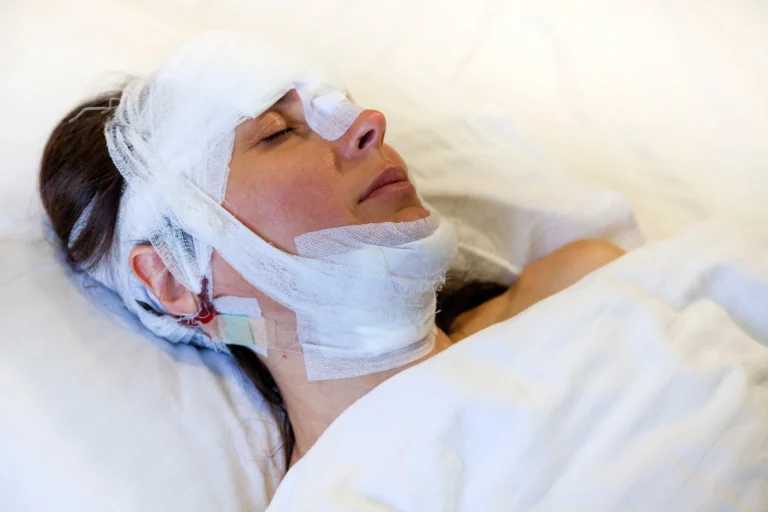


Consumers rely on manufacturers to design, produce, and sell products that are reasonably safe when used as intended. Unfortunately, defective products can cause devastating accidents, leading to spinal cord injuries, traumatic brain injuries, severe burns, amputations, and other catastrophic harm.
When a defective product causes a serious injury, Nebraska law may allow the injured person to pursue a product liability claim against the parties responsible. Understanding how these claims work can help victims, and their families better understand their legal rights after a lie-changing accident.
What Is Product Liability?
Product liability is the area of law that allows injured consumers to seek compensation when a defective or unreasonably dangerous product causes harm. Unlike many other personal injury claims, product liability cases often focus on the safety of the product itself rather than simply the actions of an individual.
Depending on the circumstances, responsibility may extend to multiple parties involved in bringing the product to market, including manufacturers, distributors, suppliers, and retailers.
The Three Main Types of Product Defects
Not every defective product is dangerous for the same reason. Product liability claims generally fall into one of three categories.
A. Design Defects
A design defect exists when a product is inherently unsafe because of the way that it was designed. Even if every unit is manufactured exactly as intended, the product may still pose an unreasonable risk of injury.
B. Manufacturing Defects
A manufacturing defect occurs when something goes wrong during the production process, causing a product to differ from its original intended design. These defects may impact only certain units or batches of a product.
C. Failure to Warn
Some products carry risks that can’t be completely eliminated. In these situations, manufacturers may have a duty to provide adequate warnings or instructions regarding proper use, potential dangers, and foreseeable risks. Failure to provide appropriate warnings may form the basis of product liability claim.
What Must Be Proven in a Nebraska Product Liability Case?
To recover compensation, an injured person generally must establish that the product was defective, that the defect existed when the product left the defendant’s control, and that the defect caused the injury.
Evidence often focuses on demonstrating both the nature of the defect and the connection between the defect and the catastrophic injuries suffered by the victim.
Because these cases frequently involve technical issues, expert analysis is often an important part of the litigation process.
How Defective Products Can Cause Catastrophic Injuries
Product failures can occur in a wide variety of situations, and the resulting injuries are often severe.
Common examples include:
- Vehicle component failures
- Defective industrial equipment
- Unsafe machinery
- Dangerous consumer products
- Defective medical devices
- Faulty electrical products
When these products fail, victims may suffer permanent disabilities requiring lifelong medical care and rehabilitation.
Evidence Is Critical in Product Liability Claims
Product liability cases typically depend on preserving evidence before it’s lost or altered.
Common examples of evidence to preserve include the defective product itself, photographs of the accident, medical records, and expert inspections and testing.
Whenever possible, injured individuals should avoid repairing, modifying, or discarding the product, as it may become one of the most important pieces of evidence in the case.
Why These Cases Are Often More Complex
Product liability claims are frequently more complicated than ordinary negligence cases because they often involve engineering principles, technical testing, corporate records, and expert testimony.
Manufacturers and their insurers typically have significant resources available to defend these claims. Building a successful case often requires extensive investigation and a detailed understanding of both the product and the applicable law.
Why Legal Guidance Matters
Catastrophic product liability cases require careful investigation, preservation of evidence, and collaboration with technical experts. Working with Belleh & Okolo can help injured individuals understand their legal rights and pursue compensation from all responsible parties. Make sure you reach out for your consultation as soon as possible.